

Hot Water Challenges in Commercial Kitchens: Solutions That Keep Your Business Running
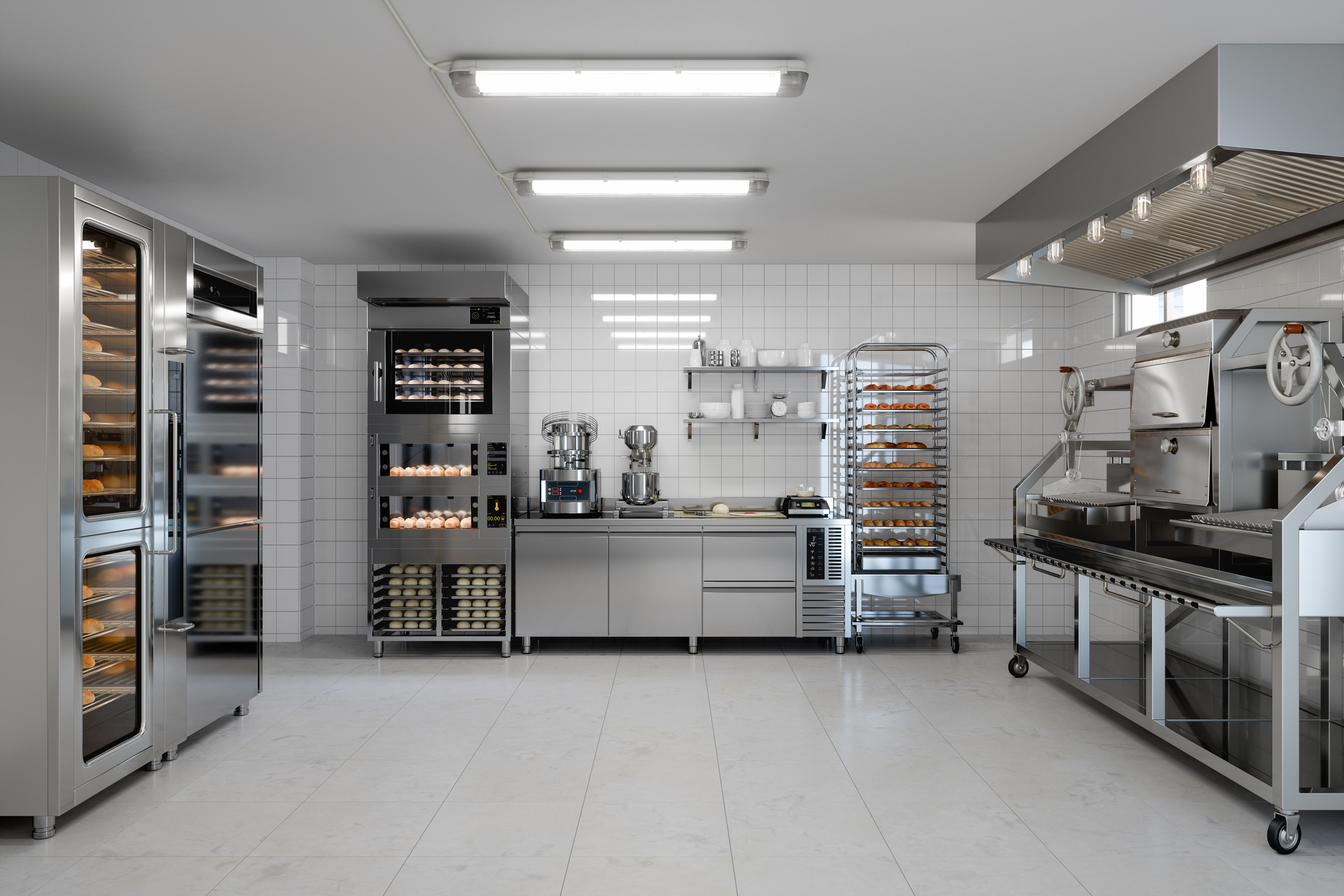
In a restaurant kitchen, nothing slows productivity more than an unreliable hot water supply. From washing dishes to sanitizing surfaces, food prep to handwashing stations, every function depends on steady access to hot water.
At The Stanley Louis Company, we specialize in commercial hot water systems and understand the pressures restaurants and foodservice operations face. In this blog, we explore the common hot water challenges in commercial kitchens—and how you can ensure your equipment meets demand, saves energy, and avoids costly downtime.
Why Commercial Kitchens Push Hot Water Systems to the Limit
Commercial kitchens are among the most demanding environments for hot water systems. Some of the key stress points include:
- High simultaneous demand: Dishwashers, mop sinks, rinse stations, steamers—all can draw hot water at once during peak hours.
- Strict sanitation standards: Health codes often require water at specific temperatures for sanitizing dishes and equipment.
- Rapid cycling usage: Unlike a residential setting with intermittent demand, kitchens turn taps on and off repeatedly.
- Space & venting constraints: Many kitchens lack large mechanical rooms; equipment must be efficient in both footprint and exhaust routing.
Because the margin for error is small, system performance must be reliable—and energy-inefficient systems can quickly eat into profit margins.
Common Problems and Warning Signs
Before failure becomes an emergency, there are early indicators that your hot water system is under strain. Watch for:
- Inconsistent or fluctuating water temperatures
- Slow recovery times—waiting for hot water during a busy service
- Drop in water pressure while multiple appliances run
- Frequent boiler or heater cycling (turning on/off)
- Elevated energy bills or fuel consumption
- Rust, corrosion, or leaking around system components
When you see these symptoms, your system may be operating beyond its intended capacity or facing mechanical wear.
Strategies to Handle Peak Kitchen Demand
1. Proper Sizing & Redundancy
Don’t undersize your system—or rely on a single unit to carry all the load. Many restaurant operators benefit from a modular setup of parallel tankless or boiler units. This ensures that when one unit must be shut down (for maintenance or repair), others can carry the load.
2. Staged or Zoned Water Heating
Segment your hot water supply by zones: one unit for dishwashing and kitchen equipment, and another for hand sinks and restrooms. This limits interference between heavy-usage circuits.
3. Preheat and Recirculation Loops
Install a preheat tank or low-temperature buffer to reduce demand on your main heater. A recirculation loop (with thermostatic or timed control) helps ensure hot water is immediately available at distant fixtures—reducing wait times and water waste.
4. High-Efficiency Equipment & Controls
Modern commercial heaters and boilers offer modulation, variable-speed pumps, and digital controls that adapt to load in real time. Upgrading to these systems can reduce fuel use during slower hours while still meeting peak demands.
5. Scheduled Maintenance & Water Quality Management
Routine maintenance is nonnegotiable. Scale buildup, clogged valves, or pilot failures can degrade performance. Also, proper water softening and filtration prevent internal damage that disproportionately affects kitchen systems.
Energy & Cost Benefits of Optimization
A well-engineered, high-efficiency system pays off beyond reliability:
- Lower utility bills: Efficient systems and better controls reduce fuel/electric consumption, especially during off-peak hours.
- Extended equipment life: Avoiding overwork reduces wear on heat exchangers and controls.
- Health code compliance: Consistent temperatures help you meet sanitation standards without overdesigning the system.
- Reduced downtime: Fewer breakdowns mean less disruption to your kitchen and customer service.
Real-World Example
Imagine a mid-sized restaurant with a 1,000-gallon/day hot water demand during lunch and dinner peaks. With an undersized heater, the unit cycles continuously and struggles to maintain 140 °F at dishwashers. After retrofitting a modular setup with a recirculation loop and heat recovery preheat tank, the kitchen sees:
- Faster recovery times during rush
- Stable temperatures across fixtures
- 10–20% reduction in heating fuel use
- Less wear and longer intervals between servicing
Why Choose The Stanley Louis Company for Your Kitchen’s Hot Water
Not all hot water providers are equipped to handle commercial kitchens. At The Stanley Louis Company, our technicians are factory-trained on commercial boilers, tankless systems, and controls. We offer:
- System design and load analysis to get your sizing right
- Installation minimizing disruption during off-hours
- Preventive maintenance plans tailored for kitchen environments
- 24/7 emergency support in case of breakdowns
Don’t gamble with your kitchen’s hot water reliability. Call The Stanley Louis Company today at 800-217-6527 and let us design or upgrade your system so your operation never skips a beat.