

Planned Maintenance vs. Reactive Repairs: The True Cost of Waiting on Commercial Hot Water Equipment
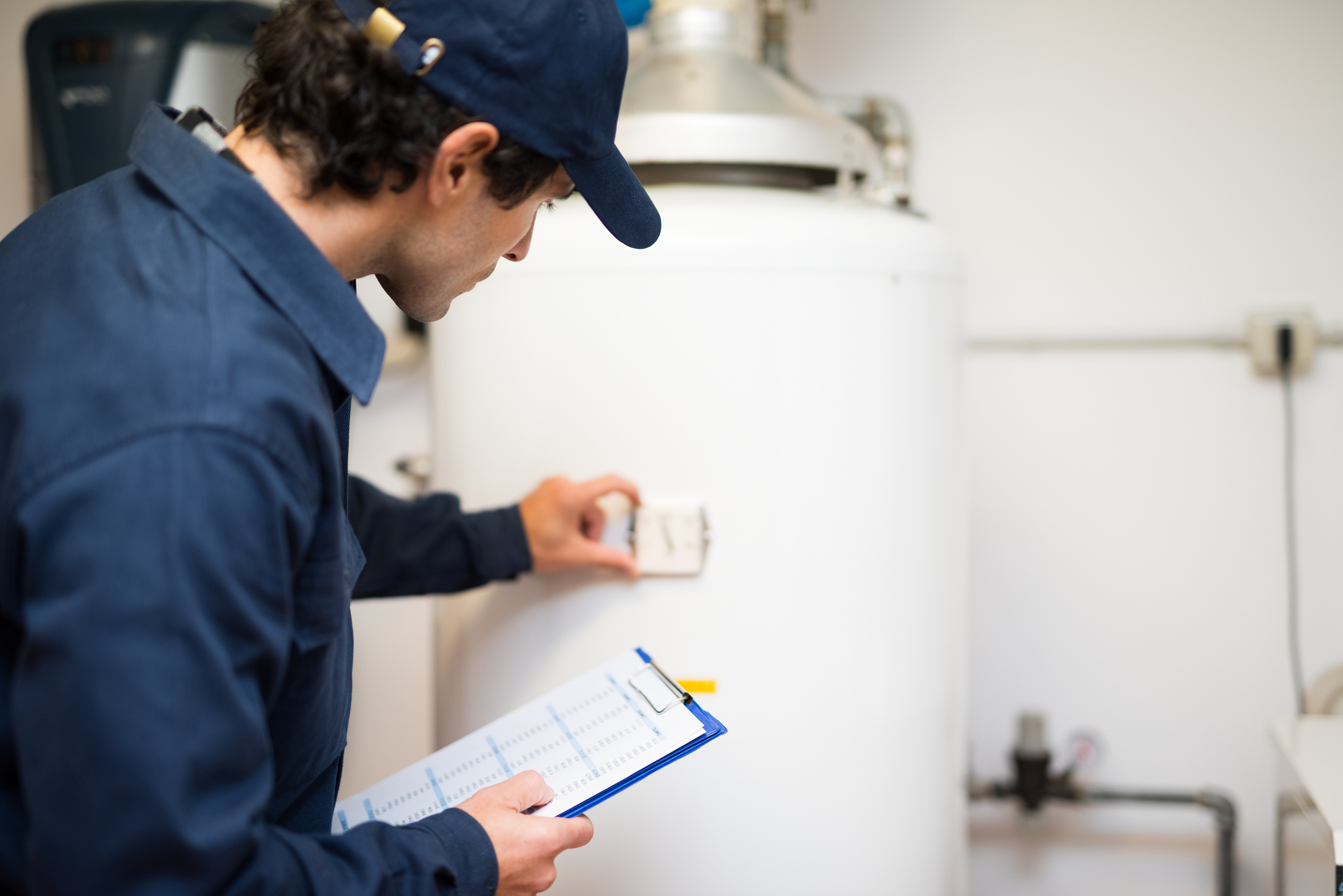
For many commercial facilities, hot water systems operate quietly in the background—until something goes wrong. When budgets are tight, it can be tempting to delay maintenance and address issues only when a failure occurs. While this approach may seem cost-effective in the short term, reactive repairs often carry far greater long-term costs than a planned maintenance strategy.
Understanding the true financial and operational impact of waiting to service commercial hot water equipment can help facility managers make more informed decisions.
The Hidden Price of Reactive Repairs
Reactive repairs occur after a system has already failed or is on the verge of failure. At that point, options are limited and urgency drives decisions. Emergency service calls, expedited parts, and unplanned downtime all contribute to higher costs.
In commercial environments, these failures can disrupt operations, affect tenants or customers, and place additional strain on staff. The indirect costs—lost productivity, service interruptions, and reputational damage—often exceed the repair bill itself.
Planned Maintenance Creates Predictability
Planned maintenance shifts the focus from crisis response to prevention. Regular inspections and servicing identify small issues before they escalate into major failures. This proactive approach allows repairs to be scheduled during low-impact periods, avoiding disruptions to daily operations.
Maintenance programs also provide cost predictability. Instead of unexpected emergency expenses, facility managers can budget for routine service and replacements over time.
Equipment Lifespan and Performance Are Directly Affected
Commercial water heaters, boilers, and tankless systems are designed to operate efficiently when properly maintained. Neglect accelerates wear on critical components, reducing efficiency and shortening the equipment’s usable life.
Routine maintenance helps ensure:
- Optimal operating efficiency
- Reduced stress on system components
- Lower energy consumption
- Fewer unexpected breakdowns
Over the lifespan of the equipment, these benefits translate into significant savings.
Downtime Carries Operational Consequences
Unlike residential systems, commercial hot water failures affect entire operations. Depending on the facility, downtime may halt services, violate operational standards, or force temporary shutdowns.
Reactive repairs often happen at the worst possible time—during peak demand or critical operating hours. Planned maintenance minimizes the risk of these high-impact failures by addressing vulnerabilities early.
Maintenance as a Risk Management Strategy
Planned maintenance isn’t just about equipment—it’s about risk management. By keeping systems in good working order, facilities reduce the likelihood of emergencies that strain staff, budgets, and operations.
Maintenance records also demonstrate due diligence, which can be valuable for compliance, inspections, and insurance considerations.
Why Expertise Matters
Not all maintenance is equal. Commercial hot water systems require specialized knowledge to service correctly. Improper maintenance can be just as damaging as neglect.
At The Stanley Louis Company, planned maintenance programs are designed specifically for commercial systems and operational realities. Their experienced technicians understand how to identify potential issues before they impact performance.
Choosing Prevention Over Crisis
Waiting for a system to fail often costs more—in money, time, and stress—than preventing the failure in the first place. Planned maintenance provides control, reliability, and peace of mind for commercial property owners and managers.
If you’re weighing the cost of maintenance against the risk of reactive repairs, contact The Stanley Louis Company at 800-217-6527 to learn how a proactive approach can protect your equipment and your operations.