


Emergency Commercial Water Heater Failures: What Businesses Should Expect and How to Prepare
Few disruptions bring commercial operations to a standstill faster than a sudden hot water failure. When a commercial water heater goes down without warning, the impact can be immediate—lost productivity, compliance concerns, and costly downtime. Understanding how emergency failures happen and preparing in advance can significantly reduce the damage when the unexpected occurs.
Why Emergency Failures Are Different from Routine Breakdowns
Emergency failures are rarely minor issues. They typically involve complete system shutdowns, major component failures, or safety-triggered lockouts that prevent operation altogether.
Unlike routine service issues, emergencies demand immediate response to restore operations and prevent further damage to equipment or facilities.
Common Causes of Emergency Commercial Water Heater Failures
Many emergency failures stem from issues that develop over time but finally reach a breaking point.
Common causes include:
- Heat exchanger failure due to scale or corrosion
- Burner or ignition system failure
- Control board or sensor malfunctions
- Pressure or temperature safety lockouts
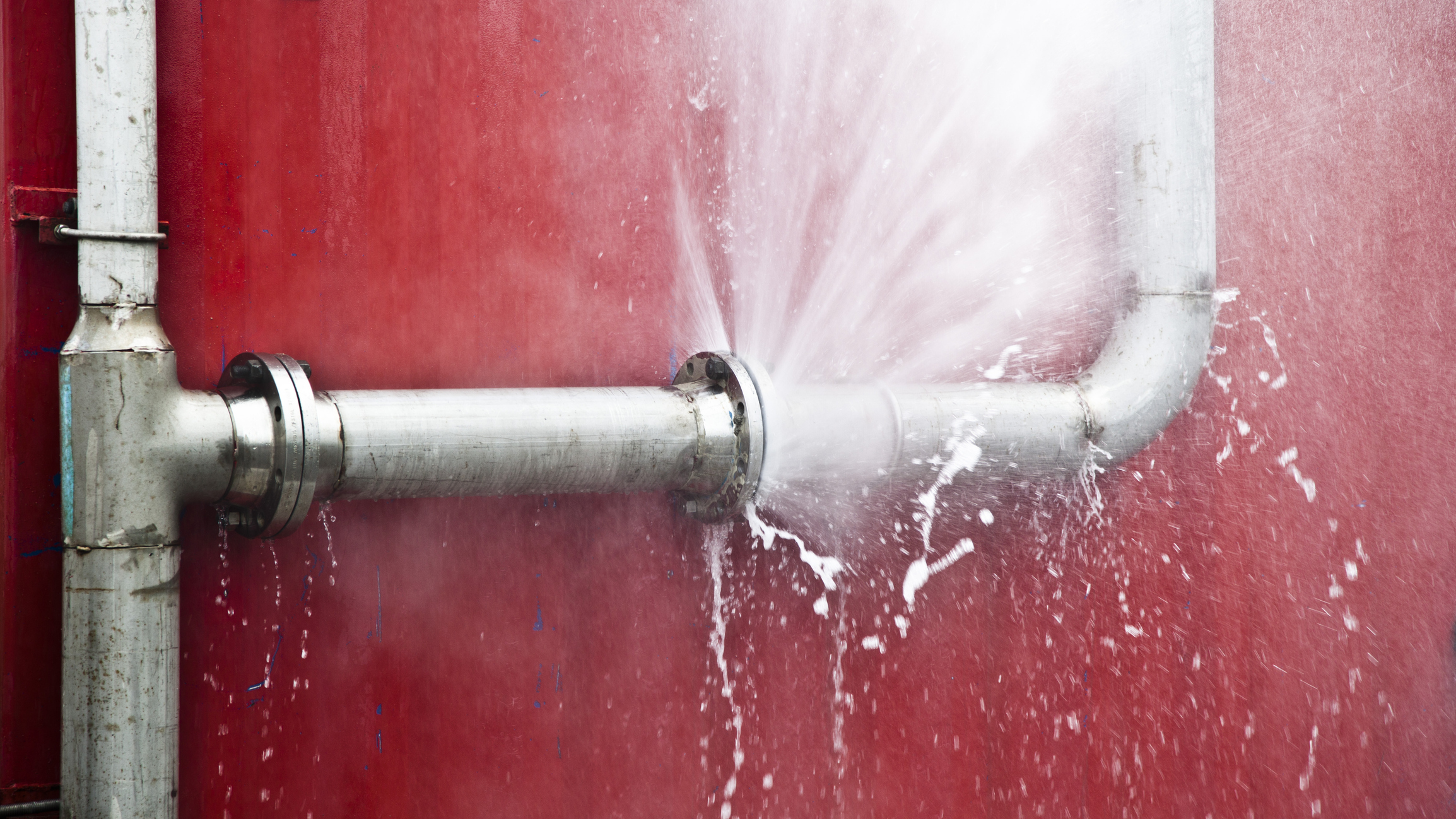
- Leaking tanks or piping components
These failures often occur during periods of heavy use, when systems are under the greatest strain.
The Operational Impact of Sudden Hot Water Loss
For commercial facilities, losing hot water can mean more than inconvenience. Consequences may include:
- Forced closure of kitchens or restrooms
- Inability to meet sanitation or health code requirements
- Disruption to tenant or guest services
- Emergency outsourcing of services
- Revenue loss and reputational damage
The longer the outage lasts, the more significant the impact becomes.
What to Expect During an Emergency Service Call
During an emergency response, technicians focus on restoring safe operation as quickly as possible. This typically involves:
- Rapid system diagnostics
- Identifying safety concerns or damage
- Isolating failed components
- Determining whether temporary operation is possible
- Recommending immediate repairs or replacement if necessary
In some cases, temporary solutions may be used to restore partial service while permanent repairs are planned.
Why 24/7 Availability Matters
Hot water emergencies don’t wait for business hours. Facilities that rely on commercial water heaters need access to trained technicians at any time.
Having a service provider with 24/7 emergency response ensures problems are addressed quickly, minimizing downtime and secondary damage.
How Advance Planning Reduces Emergency Risk
While not all emergencies are preventable, preparation can significantly reduce their severity. Effective planning includes:
- Routine inspections and preventive maintenance
- Monitoring system performance and warning signs
- Keeping service records and system documentation accessible
- Establishing a clear emergency response plan
Facilities that plan ahead often resolve emergencies faster and with fewer complications.
When Emergency Repairs Lead to Long-Term Decisions
Some emergency failures reveal that a system is nearing the end of its service life. In these situations, repeated emergency repairs may no longer be cost-effective.
Evaluating long-term replacement or system upgrades after an emergency can help prevent future disruptions.
How The Stanley Louis Company Supports Commercial Clients in Emergencies
At The Stanley Louis Company, emergency service means more than fast response—it means knowledgeable diagnosis and reliable solutions. Technicians are trained specifically in commercial hot water systems and equipped to handle complex failures across all major equipment brands.
With 24/7 availability and experienced commercial specialists, downtime is minimized and safety is prioritized.
If your facility experiences a sudden hot water failure, call 800-217-6527 any time to reach a live operator and get immediate assistance.
Preparation Turns Emergencies into Manageable Events
Emergency hot water failures can’t always be avoided—but with the right planning and expert support, they don’t have to become operational disasters. Prepared businesses recover faster, safer, and with fewer long-term consequences.