

The Silent Threat Inside Your System: How Scale Buildup Damages Commercial Water Heaters and Boilers
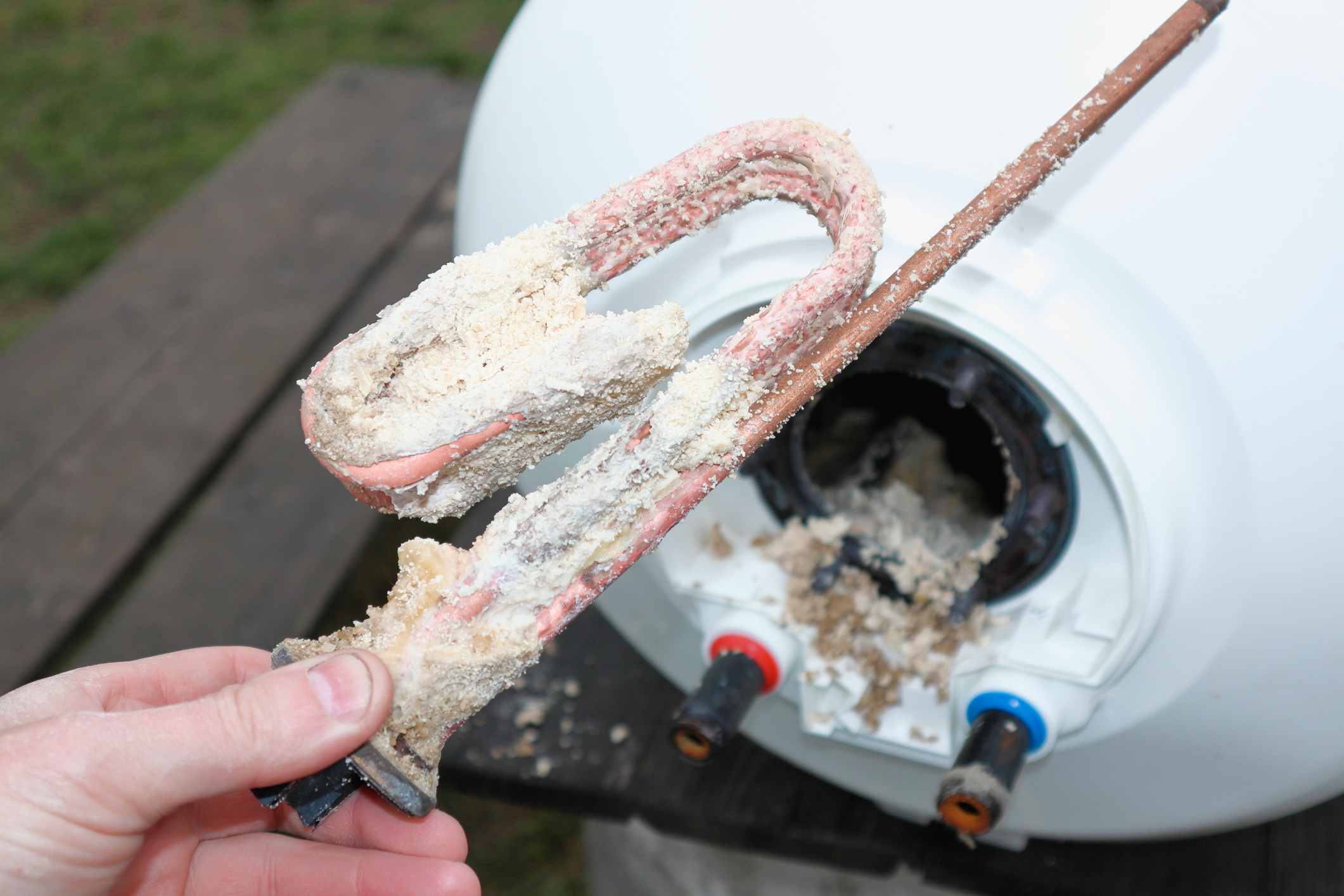
Scale buildup rarely shows itself in the early stages—but inside commercial water heaters and boilers across Southern California, it is silently costing businesses thousands of dollars every year. Minerals in the water supply, especially common in hard-water regions, cling to heating elements and tank walls over time. What begins as a thin layer can quickly turn into a major operational liability. If ignored, scale can shorten system lifespan, spike utility bills, threaten compliance, and lead to sudden shutdowns. That is why businesses rely on The Stanley Louis Company to protect their equipment investment with maintenance, descaling, and system-wide performance solutions.
In commercial environments, usage isn’t occasional—it is continuous. Hotels cycle hundreds of gallons of hot water through linens and guest rooms each day. Restaurants run dish machines nonstop. Gyms rely on showers, steam rooms, and sanitation stations. Hospitals and assisted living centers need consistent hot water for sterilization and patient care. All these demands accelerate scale accumulation, making proactive prevention essential rather than optional.
What Scale Does to Your System—and Why It’s Worse Than You Think
Many facility managers assume scale is just a cosmetic problem. In reality, it can lead to:
- System overheating and shutdowns
- Increased fuel or energy consumption
- Inefficient heat transfer that slows recovery time
- Loud operation, banging, or rumbling
- Premature tank failure or leaking
- Damage to burners, heat exchangers, and elements
A layer of scale as thin as 1/8″ can increase energy costs by as much as 25% because the system must burn more gas—or draw more electricity—to heat through the mineral layer. That means the longer scale is ignored, the more your energy budget absorbs the difference.
How to Know if Scale Is Building Up in Your Commercial System
Because scale forms internally, warning signs are often subtle. Facility operators should look for:
- Hot water that runs colder or takes longer to recover
- Higher-than-usual energy bills with no operational changes
- Rumbling or popping noises inside the tank
- Visible white deposits on fixtures or equipment
- Premature equipment strain during peak hours
Once these symptoms appear, scale is already significant—and immediate descaling or service is recommended. The Stanley Louis Company can inspect tanks, burners, and lines, and then determine whether on-site descaling, chemical treatment, or internal flushing is the right approach.
Why Descaling and Preventive Cleaning Matter for Safety and Compliance
In California, commercial boilers and water heating systems are often subject to local inspection requirements—especially in hospitality, healthcare, food service, and fitness facilities. A scale-damaged unit may fail critical safety benchmarks involving:
- Pressure and temperature regulation
- Sterilization temperatures for dish sanitation
- Consistency of water flow and heating performance
If the system cannot reach required temperatures due to mineral blockage, businesses may risk out-of-compliance penalties—especially where sanitation codes apply. Preventive descaling helps maintain both performance and regulatory peace of mind.
What Proactive Scale Management Looks Like
Rather than waiting for failure and reacting, smart operators schedule:
- Annual tank flushing
- Heat-exchanger descaling
- Burner and control inspections
- Hard-water treatment or filtration system upgrades
- Performance benchmarking and temperature calibration
With proper planning, scale-related repair costs and downtime can be significantly reduced. The Stanley Louis Company provides tailored maintenance programs for hotels, restaurants, medical facilities, gyms, schools, and multi-unit residential buildings—ensuring the right services are scheduled at the right intervals based on system volume and usage.
Protect Your Investment with Strategic Maintenance
Your commercial water heater or boiler is more than equipment—it is infrastructure. When it goes down, the ripple effect touches productivity, revenue, health compliance, customer satisfaction, and brand reputation. A small mineral problem inside the tank should never be what stops your operations.
If you are ready to address scale buildup before it becomes a crisis, call The Stanley Louis Company at 800-217-6527 to schedule an inspection and customized maintenance plan.